




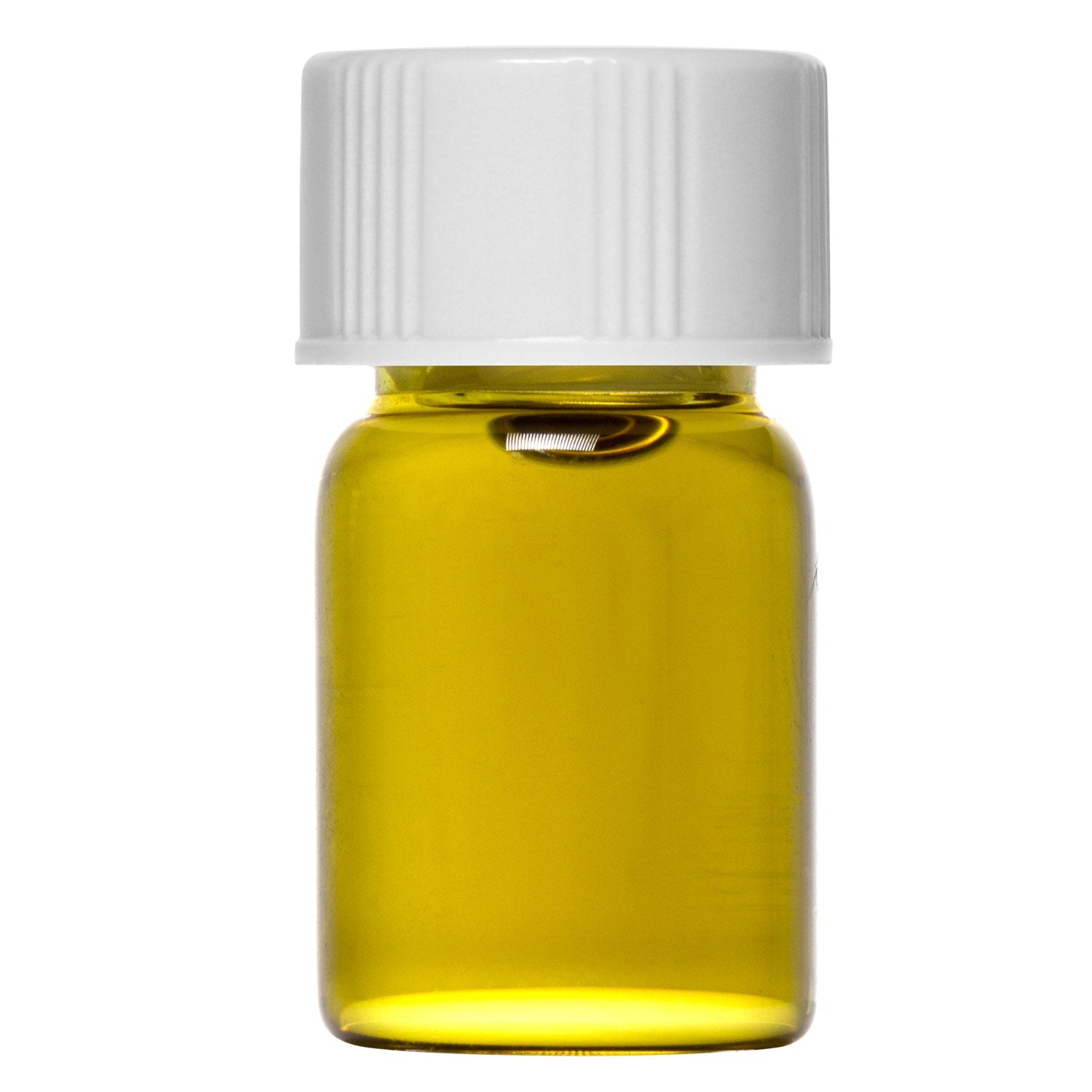
Chamomile, Wild Moroccan
ESSENTIAL OIL
Couldn't load pickup availability
WILD CHAMOMILE: THE DESERT DARLING OF DERMAL CARE
Wild Moroccan Chamomile is the untamed, sun-drenched cousin to the more familiar Roman and German Chamomiles of the Asteraceae floral family. While it shares the name, Wild Chamomile Essential Oil, distilled from the perennial Ormenis multicaulis, is a botanical anomaly that offers a distinct aromatic story. Something of a "maverick" in the essential oil world, this flower essence emanates a complex spiritus that is still being fully mapped by modern aromatherapy.
Skincare is where Wild Moroccan Chamomile truly finds its throne. Phytochemically, Wild Chamomile is a fascinating departure from the "lullaby" chemistry of its relatives. It is characterized by a vibrant concentration of monoterpenes and oxygenated monoterpenes, which provide its tenacious, herbaceous, and slightly balsamic aroma. While Roman Chamomile is defined by its esters and German by its sesquiterpenes, this Ormenis variety presents a more astringent and clarifying profile. It merely mimics the blue hues of its cousins while carving out its own path as a high-potency purifier.
Historically, this wild perennial has thrived for millennia in the semi-arid, high-sun regions of Northwest Africa. Long before it graced the alembics of distillers, the Berber tribes of the Moroccan Maghreb cherished Wild Chamomile for its tonifying and clearing properties in traditional preparations to soothe the skin after exposure to the Saharan sun.
By the mid-20th century, the oil began to catch the attention of the aromatic scholars and chroniclers. Steffen Arctander, in his 1960 definitive work, noted its rugged and balsamic-herbaceous character, distinguishing it from the "true" chamomiles while praising its tenacious dry-down. He described the oil’s spiritus with sensory precision:
"The odor... is fresh-herbaceous, slightly camphoraceous, but soon changes into a sweet, cistus-like and rich-balsamic undertone which is very tenacious and pleasant, almost ambra-like."
In The Essential Oils, Guenther categorized this essence as a fascinating newcomer that defied the "chamomile" stereotype. While he recognized Roman Chamomile as an ester-masterpiece, he viewed the Moroccan variety through the lens of its rugged, wild chemistry.He documented it as a plant that thrived where others withered, capturing a "wild and balsamic energy" that was both chemically complex and aromatically distinct.
"Moroccan Chamomile, harvested in the fall, is so precious for aromatherapy because of its spectrum of sesquiterpenes lactones... Experience in the aromatherapy community suggests that this oil is non-toxic and its liberal addition to preparations for topical or inhalation is free of risks."
— Kurt Schnaubelt, The Intelligence of Essential Oils
WILD CHAMOMILE: APPLICATIONS
According to essential oil expert Kurt Schnaubelt, this specific strain of chamomile is a powerful revitalizer for the skin, confirming that this wild oil is a substantive "dermal do-all.” It is particularly prized for its ability to balance oily complexions and soothe the appearance of scars and blemishes. Wild Moroccan Chamomile applications offer a distinct departure from the floral lullabies of its cousins, providing a more robust, astringent touch for the complexion. This botanical is a replenisher, especially for oily or congested skin seeking a clarifying caress. Its wild spiritus is also beautifully captured in salt pipes and diffusers, where its fresh, balsamic-herbaceous notes clear the air and focus the imagination. In baths, it serves as a soothing presence to help unwind the day, making it a versatile companion for both morning activation and evening restoration.
Topical: An exquisite choice for a clarifying face wash. Mix a drop with Jojoba to balance oily skin or apply to congested areas to encourage a clear, even tone. Its astringent nature makes it a "skin-tightener" and a brilliant addition to post-shave balms.
Inhalation: Inhale via a salt pipe or diffuser to clear the "mental fog." Its scent is more invigorating and "wild" than other chamomiles, making it a wonderful aromatic for daytime focus and grounding.
Perfumery: Use as a mid-note in natural perfumery to add an herbaceous, honey-balsamic depth to colognes and forest-inspired blends.
Botanical Name: Ormenis multicaulis
Botanical Family: Asteraceae
Extraction Method: Steam distilled
Part of Plant Distilled: Flowers
Country of Origin: Morocco
Cultivation Method: Wild harvested
Composition: 100% Ormenis multicaulis
Consistency: Thin
Scent Description: Light, fresh floral, and herbaceous, with butterfly hints of balsam.
Blends Beautifully: Marjoram, Lavender, Rose Otto, Chamomile, Ylang, Lemon, Lime, Bergamot, Tansy, Red Cedar, Pine, Inula, Ravensara, Frankincense, and Myrrh.
The Maverick Monoterpenes of Moroccan Chamomile
The phytochemical spiritus of Wild Moroccan Chamomile (Ormenis multicaulis) is a fascinating departure from the classic ester-rich Chamomile composition, leaning instead into a clarifying, monoterpene-rich profile. This botanical maverick is anchored by a significant concentration of alpha-pinene (16%), which provides the oil its refreshing, forest-like top note and astringent benefits. This wild oil features a choir of specialized monoterpene alcohols, most notably santolina alcohol (8%), alongside traces of artemisia alcohols that define its distinctive "wild" character. The oil’s camphorous edge comes from 1,8-cineole (9%), an oxygenated monoterpene that distinguishes its scent from the honey-sweetness of its cousins. Grounding this vibrant energy is a robust sesquiterpene presence, led by germacrene D (8%) with a dash of delta-cadinene (2%), alpha-farnesene, and beta-caryophyllene (1%). While it contains only trace amounts of the blue-hued chamazulene, its overall molecular architecture, bolstered by limonene (3%), sabinene (3%), and alpha-nerolidol (3%), confirms its status as a salient skin savior and a highly sought-after revitalizer for specialized aromatherapy.
View or download the Certificate of Analysis.
This essential oil is verified, genuine distillation, third-party tested to ensure 100% purity.
THE CALMING CHAMOMILES: A PHYTOCHEMICAL SYMPHONY
These botanical cousins of the Asteraceae family share a floral family resemblance. Chamomile carpets in wild meadows all look beautifully alike, blanketing fields with dainty, mini-daisy-like white petals haloing bright golden centers, topped with the sweet, classic apple-aroma of Chamomile, from the Greek chamaimēlon, meaning "earth-apple." Yet, beneath their pearly petals lives a diverse internal alchemy. While all Chamomiles are cherished for their calming charisma and as skin-soothing elixirs, they embody distinct fragrant phytochemical footprints that guide their specialized enjoyment.
Chamomile - Anthemis nobilis
Living Libations classic Roman Chamomile with its noble reputation as a restorative remedy and complexion calmer, is primarily defined by a high concentration of esters. It is abundant in 2-methylbutyl angelate (15%), methallyl angelate (10%), and 3-methylpentyl angelate (9%). This high-ester density makes it a graceful essence to soothe restlessness and tune into tranquility. These esters are valued for their skin-softening qualities and “serenity now” disposition. Its herbaceous-ambrosial aroma is welcoming, honeyed, and topped with a warming note reminiscent of "ripened apples on hay" that deepens into a smooth, tenacious, tea-like dry-down.
Wild Moroccan Chamomile - Ormenis multicaulis
This wild Chamomile variety is the "botanical maverick" of the family, characterized by a more astringent and clarifying profile than the lullaby esters of the classic Anthemis nobilis variety. Phytochemically, it is anchored by a significant monoterpene footprint of alpha-pinene (16%), 1,8-cineole (9%), and santolina alcohol (8%). This variety is a salient skin savior particularly prized for balancing oily complexions and rejuvenating the appearance of scars. Its spiritus emanates a forest-like top note and a tenacious, herbaceous, slightly balsamic dry-down.
German Chamomile - Matricaria recutita
This cobalt-colored Chamomile essential oil is the inky-blue "go-to" for addressing dermal distress. The botanical name Matricaria recutita means “mother’s plant that blooms again,” honoring this chamomile’s legacy as a comforting herbal helper for the birthing process. The oil's signature blue dew drops are saturated in a substantial 45% concentration of trans-beta-farnesene, a sesquiterpene that defines its deep oceanic calm. Working in tandem is the very special compound chamazulene. While it doesn’t exist in the fresh plant itself, this intense blue compound is miraculously born during the gentle steam distillation process. Chamazulene is a legendary antioxidant; its sapphire hue serves as the ultimate soothing antidote for anything red, hot, or irritated. Combined with alpha-bisabolol (10%), German Chamomile stands as a true-blue "dermal do-all." Its scent is deep and sweet, described as herbaceous-tobacco-like and slightly fruity, with a rich, comforting, hay-like sweetness.
Blue Tansy - Tanacetum annuum
Often called "Moroccan Chamomile" and sometimes mislabeled as German Chamomile, this oil is a botanical treasure of phytochemical finesse. While it shares the indigo hue of the German variety, its quintessential calm is uniquely anchored by a significant concentration of sabinene (20%) and myrcene (5%). It also contains a robust chamazulene content averaging up to 11% depending on the harvest, though it is completely without the alpha-bisabolol found in German Chamomile. Containing a rare chamazulene and camphor combination at a hearty 12% provides the clarifying, camphorous, and herbaceous synergy that differs from true Chamomiles, making it an essential anchor in skincare formulations for hyper-reactive skin. The unique presence of camphor creates a beautifully camphorous, cooling blend that helps with histamine-like reactions, elegantly easing flare-ups, taking the heat out of puffiness, and quelling itchiness. Aromatically, it is a "superhero-skin-savior" that smells like a sun-warmed orchard of wild apples and honey, offering a fruity-floral sweetness rarely found in a single material.
Cape Chamomile - Eriocephalus punctulatus
This fragrant, floral dream is a favorite, featuring a luminous aquamarine hue and a complex combination of esters and sesquiterpenes that act as "super soothers". Cheery Cape Chamomile beautifully combines the skin-loving qualities of both Roman and German varieties, containing a delicate, subtle whisper of chamazulene at just 0.40%. This trace amount is precisely what creates its soft, magical azure tone. Each dewy drop bedews a sophisticated, ester-saturated profile uniquely anchored by two exceptional, rare calmative molecules: 2-methylbutyl isobutyrate at an abundant 28% and isobutyl isobutyrate at 14%. These ample aliphatic esters envelop the skin in a serene substance that revives the radiant spiritus of the complexion while giving the oil its laid-back vibes. Its scent easily surpasses its botanical cousins as a fine berry-floral fragrance that is highly sought after in luxury perfumery. Cape Chamomile is completely distinct for its invitingly fruity, honeyed, and light floral notes that are perfectly pleasant for everyone.
WILD MOROCCAN CHAMOMILE: FREQUENTLY ASKED QUESTIONS
How does Wild Moroccan Chamomile differ from Roman or German Chamomile?
Wild Moroccan Chamomile is a botanical maverick that differs from its more familiar cousins in both scent and spiritus. While Roman Chamomile is an ester-rich lullaby for the nerves and German Chamomile is a sesquiterpene-heavy "antidote to red," the Wild variety leans into a clarifying monoterpene-rich profile. It is notably more astringent and purifying, making it lovely for balancing oily complexions and revitalizing the skin.
What does Wild Moroccan Chamomile smell like?
The aroma is a sophisticated departure from the honeyed-apple scent of Roman Chamomile, offering a light, fresh floral and herbaceous profile. It possesses unique "butterfly" hints of balsam and a tenacious balsamic-herbaceous dry-down that is both invigorating and cleansing. This fresh, wild scent is perfectly captured in salt pipes and diffusers, where it clears the air and provides a more robust aromatic experience than its sweeter relatives.
Can I use Wild Moroccan Chamomile in my daily skincare routine?
Absolutely, as this oil really shines when applied to the skin to balance and unify the complexion. For a clarifying face wash, you can mix a drop with Jojoba oil to help balance oily areas, or combine it with Beeswax and Jojoba to create a soothing balm for targeted massage. Because it is more astringent than the "opulent" Roman variety, it acts as a superior tonic for those seeking to tighten and activate their skin.


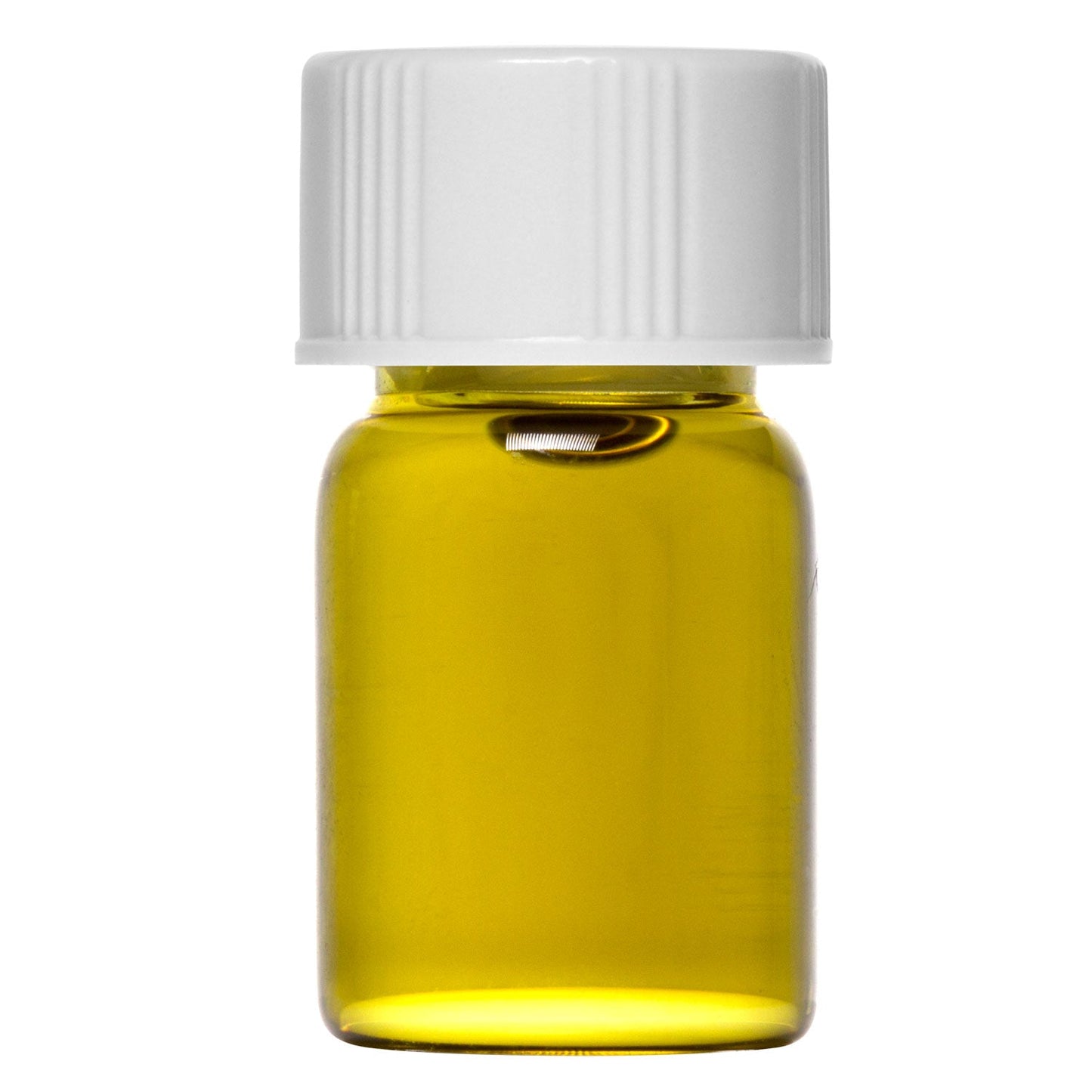
Just a moment...
Auto-Replenish is a subscription service. By adding an Auto-Replenish item to your cart you agree to a minimum subscription of three shipments. After this you may cancel at any time in your account. To cancel before this time please contact us.